ANCIEN RÉGIME & 18TH CENTURY
Warm-up, definitions, Enlightenment, changes, Spain, presentations and worksheets.
1. Map comparison and inferences

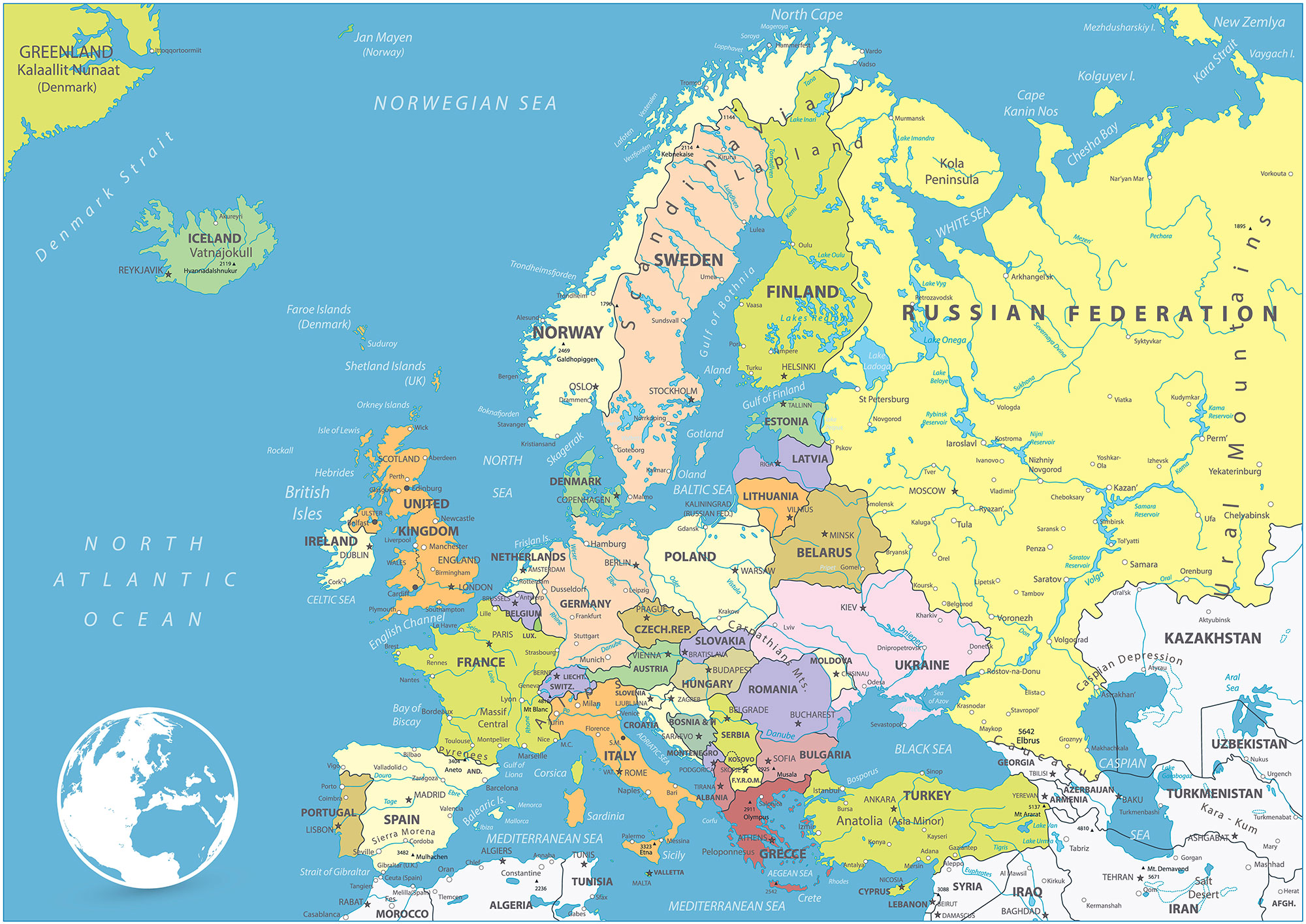
Inferences 1
What can you infer from these pictures regarding the 18th century?


2. Defining Ancien Régime

Let's infer Ancien Régime's characteristics from these texts.
"Es sólo en mi persona donde reside el poder soberano, cuyo carácter propio es el espíritu de consejo, de justicia y de razón; es a mí a quien deben mis cortesanos su existencia y su autoridad; la plenitud de su autoridad que ellos no ejercen más que en mi nombre reside siempre en mí y no puede volverse nunca contra mí; sólo a mí pertenece el poder legislativo sin dependencia y sin división; es por mi autoridad que los oficiales de mi Corte proceden no a la formación, sino al registro, a la publicación y a la ejecución de la ley; el orden público emana de mí, y los derechos y los intereses de la Nación, de los que se suele hacer un cuerpo separado del Monarca, están unidos necesariamente al mío y no descansan más que en mis manos."
Discurso de Luis XV al Parlamento de París, 3 de marzo de 1766.
“Por tanto, si se aparta del pacto social lo que no pertenece a su esencia, encontraremos que se reduce a los términos siguientes: cada uno de nosotros pone en común su persona y todo su poder bajo la suprema dirección de la voluntad general; y nosotros recibimos corporativamente a cada miembro como parte indivisible del todo (...). No siendo la soberanía más que el ejercicio de la voluntad general, jamás puede enajenarse, y el Soberano, que no es más que un ser colectivo, no puede ser representado más que por sí mismo (...). ¿Qué es, pues, el gobierno? Un cuerpo intermediario establecido entre los súbditos y el Soberano para su mutua correspondencia (...) De suerte que en el instante en que el gobierno usurpa la soberanía, el pacto social queda roto, y todos los simples ciudadanos, vueltos de derecho a su libertad natural, son forzados, pero no obligados, a obedecer. (...) La soberanía no puede estar representada, por la misma razón por la que no puede ser enajenada; consiste esencialmente en la voluntad general, y la voluntad no se representa; es la misma o es otra; no hay término medio. Los diputados del pueblo no son, pues, ni pueden ser sus representantes, no son más que sus mandatarios; no pueden concluir nada definitivamente. Toda ley no ratificada por el pueblo en persona es nula; no es una ley. El pueblo inglés cree ser libre, y se engaña mucho; no lo es sino durante la elección de los miembros del Parlamento; desde el momento en que éstos son elegidos, el pueblo ya es esclavo, no es nada.”
Jean-Jacques Rousseau. El contrato social. 1762.
"In the period of which we speak, there reigned in the cities a stench barely conceivable to us modern men and women. ... (texto completo igual que tu original) ..."
Patrick Süskind. El Perfume.
3. The Enlightenment

- What is the main idea?
- What enlightened ideas are implied?
- Let's say you are Luis XV of France. How would you respond to Condorcet?
"Our hope for the future of the human species can be reduced to three important points: the destruction of inequality among nations, the progress of of equality within a same people, and finally, the authentic improvement of man. Thus, the day will come when the Sun will shine on the Earth on only free men who have no other master than their own reason"
N. Condorcet


4. Political changes

Enlightened Despotism

5. Economic changes

NEW ECONOMIC POLICIES THROUGH TEXTS
Quesnay (1767) ..III. Earth, Agriculture, Sole Source of Riches. Let the sovereign and the nation never lose sight of the fact that the earth is the sole source of all riches, and that it is agriculture which multiplies riches. For it is the augmentation of riches that assures the wealth of the population; men and wealth cause agriculture to prosper, extend commerce, animate industry, increase and perpetuate all wealth. Upon that abundant source of wealth, agriculture, depends the success of all the parties concerned in the administration of the kingdom. IX. Preference for Agriculture. Let a nation which has a large territory to cultivate and the facilities to carry on a large commerce with the land's products not use too much of the people's money in the manufactures and in the commerce of luxuries to the prejudice of labor and agricultural investments; for above all, the kingdom would well be a people of rich agriculturists. XXV. Complete Liberty in Commerce. Let there be complete liberty in commerce; for the surest, most exact, and most profitable policy for interior and exterior commerce of the state and nation consists in the greatest possible freedom in competition.
Adam Smith (1776) Every individual is continually exerting himself to find out the most advantageous employment for whatever capital he can command. It is his own advantage, indeed, and not that of the society, which he has in view. But the study of his own advantage naturally, or rather necessarily leads him to prefer that employment which is most advantageous to the society..." "The actual price at which any commodity is commonly sold is called its market price...The market price of every particular commodity is regulated by the proportion between the quantity which is actually brought to market, and the demand of those who are willing to pay the natural price of the commodity [demand].
REAL THINKING: Compare and contrast
COMPARE PHYSIOCRACY AND ECONOMIC LIBERALISM

6. Society in the 18th century: the rise of the bourgeoisie and the influence of the Enlightenment

SOCIAL CHANGES (Voltaire)
""As trade enriched the citizens in England, so it contributed to their freedom, and this freedom on the other side extended their commerce, whence arose the grandeur of the State. Trade raised by insensible degrees the naval power, which gives the English a superiority over the seas, and they now are masters of very near two hundred ships of war... In France the title of marquis is given gratis to any one who will accept of it; and whosoever arrives at Paris from the midst of the most remote provinces with money in his purse, and a name terminating in ac or ille, may strut about, and cry, "Such a man as I! A man of my rank and figure!" and may look down upon a trader with sovereign contempt; whilst the trader on the other side, by thus often hearing his profession treated so disdainfully, is fool enough to blush at it. However, I need not say which is most useful to a nation; a lord, powdered in the tip of the mode, who knows exactly at what o'clock the king rises and goes to bed, and who gives himself airs of grandeur and state, at the same time that he is acting the slave in the ante-chamber of a prime minister; or a merchant, who enriches his country, despatches orders from his counting-house to Surat and Grand Cairo, and contributes to the well-being of the world.". 1734"
Voltaire. Letters on the English (1734)
7. The 18th century in Spain


Reforms


8. Presentations
9. Worksheets
Comentario textos históricos


0 Comentarios